Do you know anything about the recycling and application of steel scrap? Are you aware of which industries utilize recycled steel scrap? Stainless steel is one of the key materials in various industries, especially in processing industries including pipes and fittings, and has attracted significant attention. This alloy is also used in the construction, automotive, food, and healthcare industries, and due to its unique properties such as corrosion resistance, strength, and high durability, it is economically viable. Additionally, stainless steel is recyclable and can be returned to the production cycle multiple times, which helps reduce production costs. Thus, given the importance of this metal, we will discuss the recycling and application of steel scrap in detail in this article on Alvan Metal.
Types of Steel Scrap
Next, we will introduce the types of steel scrap and important points to consider in their use:
Scrap from obsolete equipment: This type of scrap often comes from tanks, piping systems, and other old equipment and devices. Recovering and processing this scrap can help provide raw materials for producing new products.
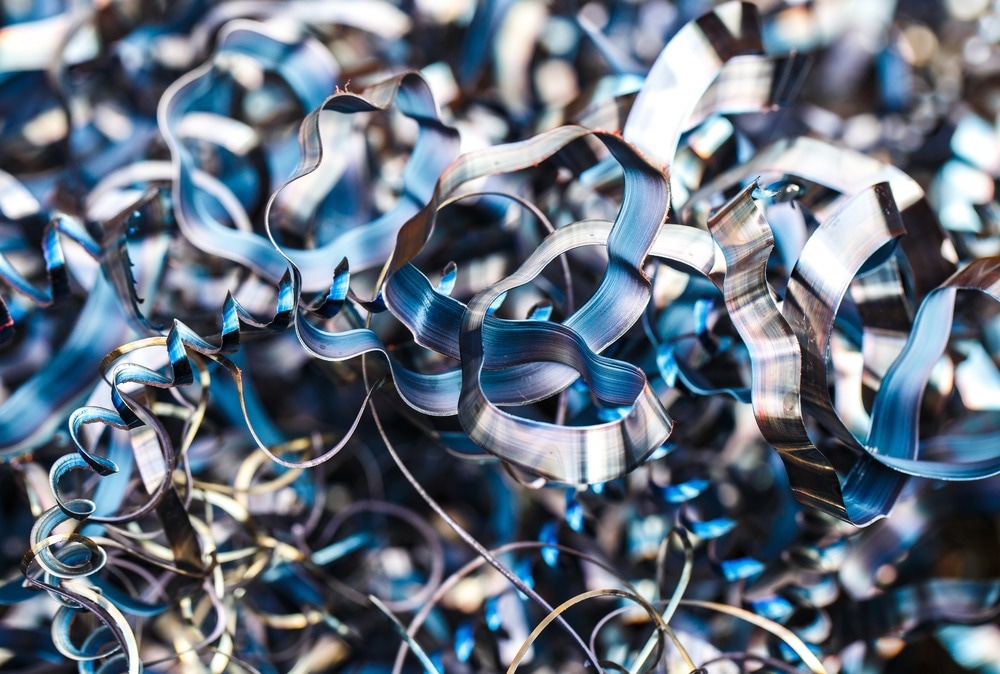
- Machining chips: These chips usually result from machining and manufacturing processes and have significant value for recovery and reuse. It is crucial to clean these chips before melting to protect the quality of the melt and prevent contamination.
- Defective and damaged parts: Some steel scrap includes parts that are unusable due to defects or breakage. However, these parts can also be safely and effectively melted and reused to produce steel ingots.
Major Challenges in Recycling Steel Scrap
– Chemical separation: One of the major challenges in recovering steel scrap is the lack of information about their chemical composition and grade. Therefore, it is essential that these scraps are specifically sorted and separated. Scraps with known grades can be easily used in melting and casting processes.
– Importance of cleaning: Before melting any steel scrap, cleaning it from oils and lubricants must be done in a way that prevents impurities from entering the melt. This process will have a direct impact on the quality of the final products.
These points illustrate the importance of paying attention to details in the use of steel scrap and the necessity of adopting appropriate methods in the recycling and remanufacturing process.
Methods for Recycling Steel Scrap
Steel scrap includes chips and pieces largely containing alloying elements such as chromium and nickel. Recycling this scrap helps reduce environmental pollution and save energy. Here, the stages of recycling steel scrap according to modern techniques are examined:
- Preparation stage: In this stage, steel scrap is manually sorted and cut using tools such as torches, crushers, and shredders. This aids in facilitating the entry of scrap into the melting furnace.
- Magnetic separation: This method is used to separate magnetic steels from non-magnetic ones as well as to separate nickel metal from non-magnetic steels.
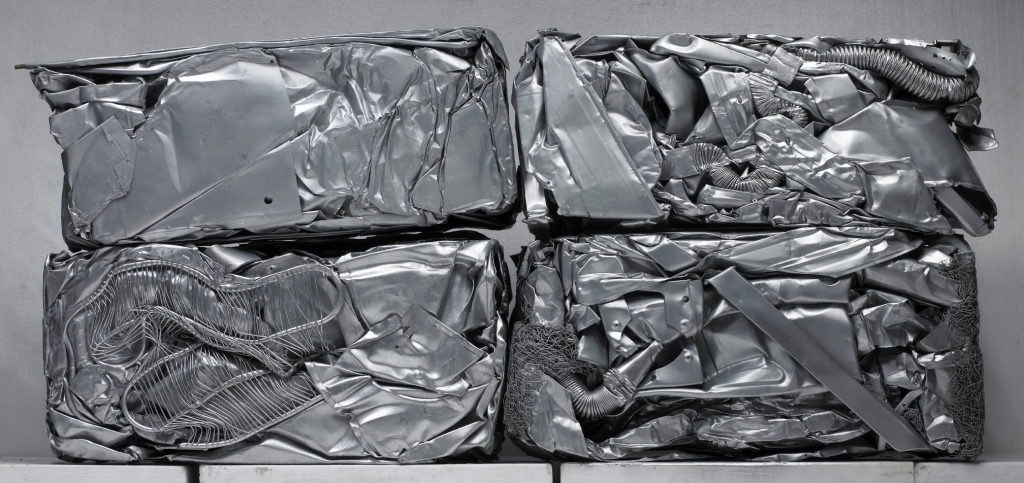
- Bricquetting and compression: In this stage, thin and low-density scraps are compressed.
- Crushing: In this stage, the dimensions of bulk steel scrap are reduced. This is especially important in recycling waste generated from crushing.
- Swirling flow separation process: This method is very efficient for recycling ferrous metals and steel from waste generated from crushing.
- Heavy-medium separation process: In this stage, the recycling of non-ferrous metals and steel from crushed waste is performed.
- Furnace separation: In this furnace, the separation of aluminum, zinc, lead, and other contaminants is carried out, effectively enhancing the quality of recycled steel.
The cost of recycled steel
As we mentioned, recycled steel is considered one of the valuable and essential resources in the steel and construction industries. The cost of this material is determined based on various factors, including the global price of steel scraps and the exchange rate, especially the dollar.
Given the fluctuations in global markets, the price per kilo of recycled steel scraps is influenced by changes in global prices. Thus, if the global prices of these materials increase, the production and purchase costs of these scraps domestically will also naturally rise.
Another factor is the exchange rate, particularly the price of the dollar in Iran. An increase in the dollar rate means higher costs for importing raw materials and equipment needed in the steel industry. On the other hand, in the domestic market, changes in the dollar price can quickly impact the cost of recycled steel and push it to higher levels.
Therefore, the cost of recycled steel is dependent not only on domestic factors but also on international economic and trade conditions. Thus, to more accurately assess this price, global trends and exchange rate changes need to be constantly considered.
Uses of recycled steel scraps at Alvan Metal
Several vital applications can be referenced regarding the use of recycled steel scraps at Alvan Metal, which contribute to improving efficiency and reducing environmental damage. It is worth mentioning that products made from recycled steel, provided that technical standards and alloy types are adhered to, can maintain high quality. Below are some applications of recycled steel scraps at Alvan Metal:
- Steel production: One of the main applications of steel scraps is their use in the production of stainless steel. By remelting scraps, these materials are reintegrated into the production cycle, aiding the production of high-quality stainless steel.
- Architecture and construction: Recycled steel is utilized as construction materials in architectural and civil engineering projects. These materials can be employed in building durable and beautiful structures with long lifespans.
- Automotive industry: Recycled steel is used in producing various components for vehicles. This not only helps reduce costs but also contributes to preserving natural resources.
- Medical and pharmaceutical industry: In producing medical and pharmaceutical equipment, the use of recycled steel is highly valuable due to its rust-resistant and antibacterial properties.
- Food and kitchen industries: The equipment needed in food industries and those used in kitchens and food manufacturing are also produced from recycled steel to ensure food safety and hygiene. Additionally, many household and kitchen items are also made from steel.
- Heavy industries: In the oil, gas, and petrochemical sectors, the use of recycled steel is a suitable option for producing equipment and pipes due to its strength and resistance to harsh conditions.
Conclusion
It is important to note that Alvan Metal’s role in the steel recycling industry is very significant. With over 70 years of experience, this company is recognized as a pioneer in the recycling of metals, especially steel. Alvan Metal helps supply the raw materials needed by various industries by collecting and processing steel scraps from various sources, such as defective parts, obsolete equipment, and machining chips. By remelting these scraps, the possibility of reusing them in the steel production process is made feasible. The recycled steel produced by Alvan Metal is utilized in various industries including architecture and construction, automotive, medical and pharmaceutical, water industries, food and kitchen, as well as in heavy industries like oil, gas, and petrochemicals. This approach not only helps protect the environment but also contributes to increasing sustainability and efficiency in the industry.
FAQ
What are the benefits of recycling steel scraps?
Recycling steel scraps helps reduce the consumption of natural resources, minimizes environmental pollution, conserves energy, and lowers production costs.
How are steel scraps recycled?
Steel scraps are typically recycled through collection, separation, grinding, and melting to be transformed into new ingots.
Does recycling steel negatively affect the quality of the final product?
No, because recycled steel can achieve the high quality of new steel and its properties can be preserved, provided the recycling process is carried out correctly.
How can steel scraps be effectively managed?
Effective management includes sorting scraps at the point of generation, establishing efficient collection systems, and raising public awareness about the importance of recycling.