Aluminum, as a lightweight and durable metal, has extensive applications in various industries, particularly in packaging, automotive, aerospace, and construction. However, one of the significant challenges facing the aluminum industry is the high cost of extracting and processing it from ore. In this context, the aluminum recycling process has been recognized as a sustainable and economical solution to address these challenges. In this article, we will discuss aluminum recycling and its wide-ranging applications in detail. So stay with us.
Why is Aluminum Recycling Important?
Aluminum recycling refers to the process in which scrap aluminum is transformed into new products. This process is significantly cheaper and more cost-effective than extracting aluminum from mines. According to statistics, we need only 5% of the energy required to produce new aluminum. This means a drastic reduction in energy and natural resource consumption.
In the United States, about 31% of all aluminum produced is recycled from waste. This figure reflects the high potential of recycling this metal in both the short and long term. Given the widespread use of aluminum cans in various beverages, recycling these cans has become a vital part of the aluminum recycling landscape. Most people in developed societies participate in this activity, contributing to economic and environmental improvement.
The Aluminum Recycling Process
- Collection and Sorting: Cans and other aluminum products are first collected and sorted. This stage is critical as aluminum must be separated from other materials to ensure the recycling process functions correctly.
- Washing: After sorting, the aluminum is washed to remove any contaminants and waste materials from its surface.
- Melting: The cleaned aluminum is melted in furnaces. At this stage, the high temperature causes the aluminum to become liquid.
- Casting and Producing New Products: After melting, the liquid aluminum is poured into specific molds and cooled into various forms (such as ingots, profiles, etc.).
This process not only helps save energy consumption but also reduces waste and the environmental impacts associated with extracting and producing new aluminum.
Types of Aluminum Waste
Aluminum, as a lightweight and durable material, is used in various industries. In this regard, aluminum waste is broadly divided into two categories: soft and dry, each having its specific characteristics and applications.
- Soft Aluminum Waste:
This type of waste usually relates to consumer and non-structural products and has a high recyclability. Examples of such waste include:
– Doors and windows
– Containers and pots
– Car radiators
– Bare aluminum wire (uncoated)
– Coated wire and cables
– Steel core wire
– Profiles and branches
– Aluminum sheets
- Dry Aluminum Waste
This type of waste typically includes structural and functional components used in specific industries. Some examples of this waste include:
– Cylinders and pistons
– Shop shutters
– Radiator and heater fins
– Car rims
Explanation of the Aluminum Scrap Recycling Process
The stages of aluminum scrap recycling is a precise process that includes several key steps to convert aluminum waste into reusable products. These stages are:
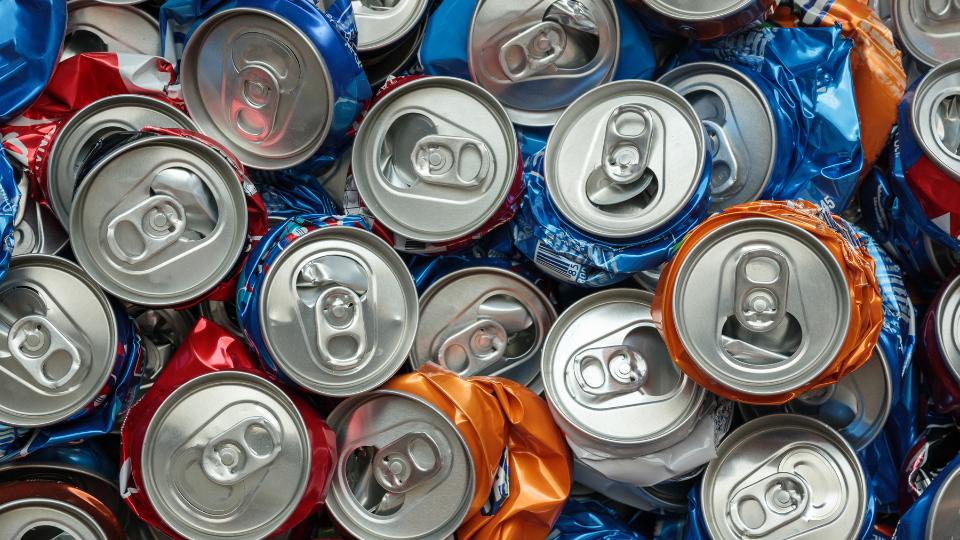
- Collection of aluminum waste: In this stage, aluminum waste such as tray foils, beverage cans, and aerosol cans are collected from homes and waste collection sites. In some cases, foils are collected separately to be sorted from other materials.
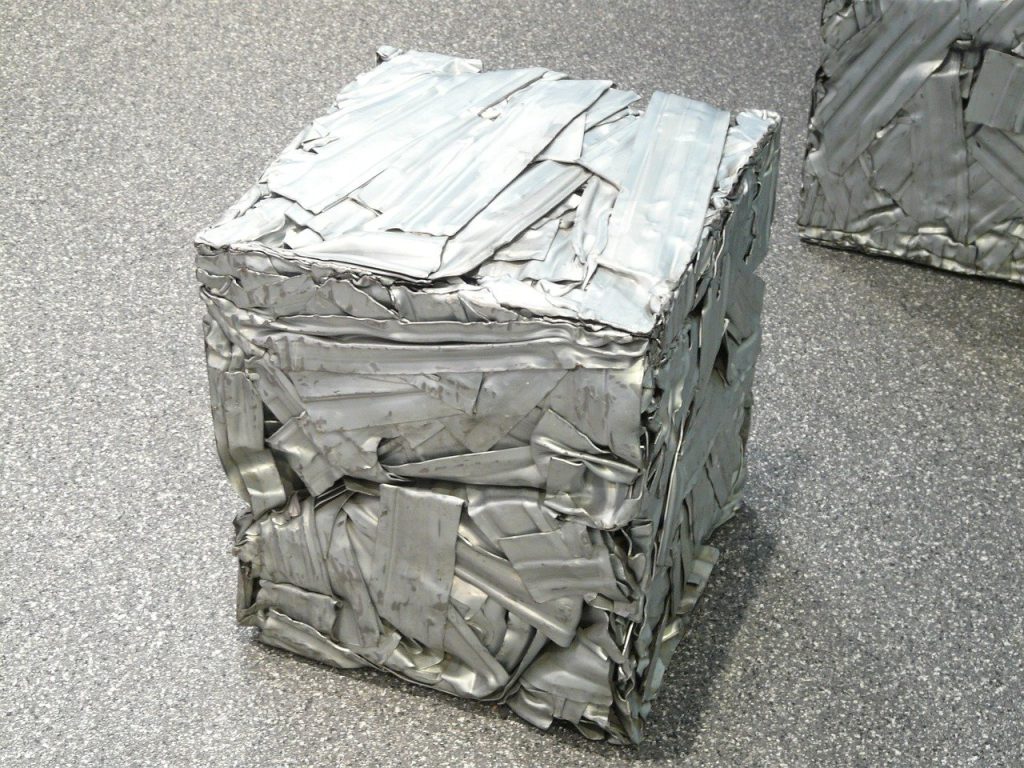
- Sorting aluminum waste: In this stage, the collected waste is transported to a waste transfer station. Here, the metals are mixed together and compressed to reduce their volume and facilitate the recycling process.
- Reprocessing aluminum waste: The compressed aluminum is sent to the recycling plant, where it is crushed, cleaned, and melted. At the end of this stage, the melted metal is converted into large ingots, which serve as the basis for the following stages.
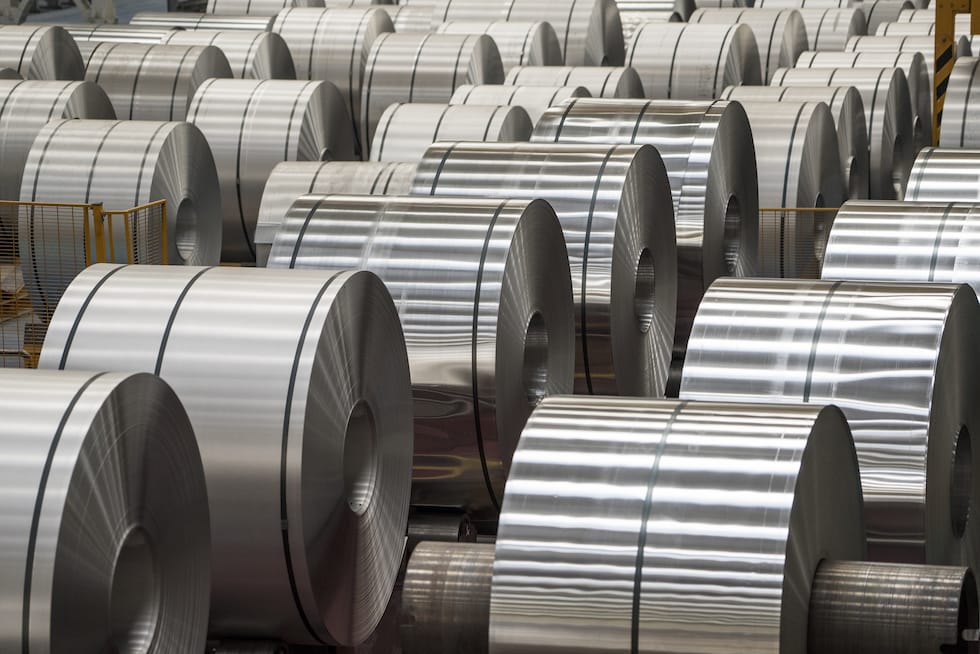
- Rolling aluminum waste: The large aluminum ingots are sent to a rolling mill. In this stage, the ingots are rolled into aluminum sheets suitable for packaging. This stage is particularly important due to the production of thin and efficient sheets.
- Converting aluminum waste: Finally, the produced aluminum sheets are transformed into various packaging items. This is the final stage of aluminum recycling, in which new and functional products made from recycled aluminum are created, contributing to environmental preservation and waste reduction.
Cost of Recycled Aluminum
The cost of recycled aluminum is greatly influenced by market fluctuations, the type of alloy, and the physical condition of the scrap. Therefore, a precise understanding and ongoing monitoring of prices and daily fluctuations is one of the key requirements for industry players. This awareness can not only help optimize the buying and selling process but also lead to informed decision-making regarding recycling projects and sustainable development. As a result, investors and producers must carefully monitor market conditions to maximize potential benefits.
Uses of Recycled Aluminum Scrap in Alvan Metal
Alvan Metal uses recycled aluminum scrap to produce quality products while saving on raw materials. Aluminum recycling is a process that allows for the use of existing waste, which can be converted into a wide range of products and applications.
– One common use of recycled aluminum is in the production of door and window profiles. These profiles are used in the construction industry and building facades due to their strength and lightness, and using recycled aluminum in this sector not only reduces costs but also decreases environmental pollution.
– In addition, aluminum scrap can be utilized in the automotive industry. Car parts, including bodies and interiors, especially in newer models, are increasingly moving towards the use of aluminum as a lightweight and durable material.
Is recycled aluminum quality similar to that of fresh aluminum?
Recycled aluminum, due to its similar quality to fresh aluminum, produces vehicles with higher efficiency and optimized fuel consumption, contributing to reduced fuel use and greenhouse gases.
An essential point about recycled aluminum is that the recycling process is designed to maintain the quality of aluminum. This allows manufacturers to use recycled aluminum in their products without worrying about quality degradation. Thus, not only does it help preserve natural resources, but it also maintains and enhances the final product quality.
Ultimately, Alvan Metal represents a commitment to innovation and sustainability in the aluminum recycling industry. By focusing on the diverse applications of recycled aluminum, the company contributes to environmental preservation and better resource efficiency, laying a sustainable foundation for future generations. Thus, aluminum recycling has become more than just an environmental initiative; it has turned into a strategic tool in today’s industrial world, bringing significant economic and social value.
Summary
Recycling aluminum as an effective and economical process enables us not only to avoid the high costs of mining this metal but also to contribute to environmental protection and improve quality of life. Today, with the increasing global community’s attention to sustainability and the conservation of natural resources, recycling aluminum has become more essential than ever. Therefore, at Alvan Metal, with a remarkable history of over 70 decades, we are striving to expand the culture of recycling and participate in this important process.