Copper is recognized as a fundamental raw material in various industries, including electrical, construction, and the production of electronic products. Given the extensive applications of copper, waste management and recycling of this valuable metal have become one of the most important issues today. Recycling copper not only helps preserve natural resources but can also lead to reduced production costs and improved product quality. The aim of this article is to examine the types of copper waste, processing methods, final products, and the economic and technological characteristics related to copper waste management.
Types of Copper Waste
Copper waste is divided into three main categories:
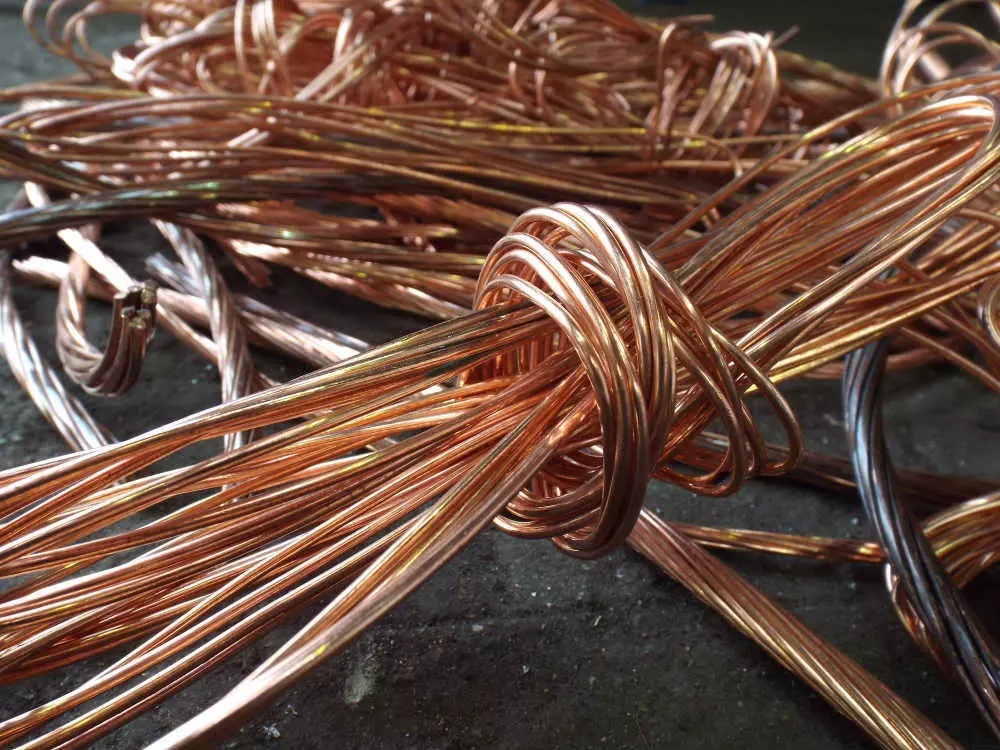
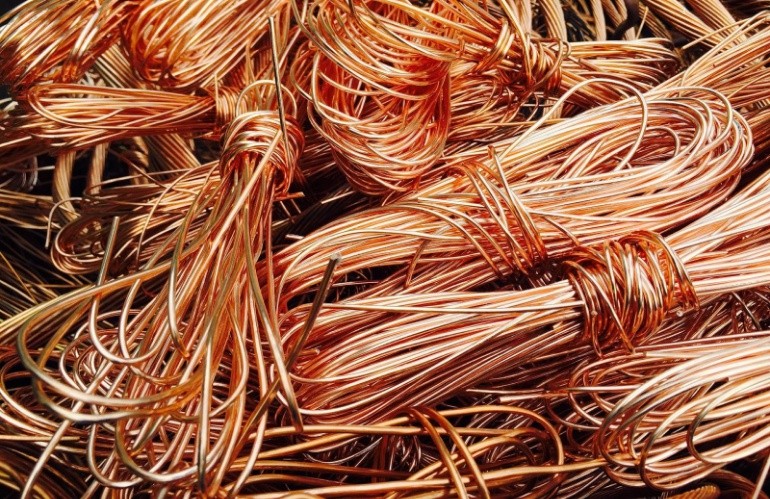
– Industrial Copper Waste: This type of waste primarily arises from manufacturing processes and includes various parts used in the production of copper products. For example, electric machines, copper cans, copper coils, compressors, industrial cables, and copper sheets produced in various industries such as the automotive industry are among these wastes.
– Household Copper Waste: This type of waste generally results from daily consumption at home. It includes items such as copper utensils, wires, cables, some electrical devices with copper coils, and used electrical equipment.
– Electronic Copper Waste: With the increasing growth of technology and the use of electronic devices, electronic waste that contains copper has become an important source of copper waste. This waste often includes used parts from electronic devices, computers, and mobile phones.
Methods of Copper Recycling
The recycling of copper from scrap is particularly important in today’s world, where there is greater emphasis on resource efficiency and environmental preservation. There are two main methods of copper recycling: direct recycling and melting and refining. Here we describe these two methods:
1. Direct Recycling:
This method refers to high-purity scrap that is obtained directly from the production process and does not require additional refining. Internal scraps such as defective cathodes and anodes can be returned to melting furnaces after the electrolytic refining stage. Similarly, trimming scraps and defective products are delivered to casting units for reuse. New scrap such as discarded wire and cable pieces are collected by scrap collection units. In other words, this method saves time and resources by eliminating the need for melting and refining.
2. Melting and Refining:
Lower purity scraps must be transferred depending on the type of impurities present to a fire refining unit, anode furnace, or secondary solvent extraction unit. This category of scrap, which primarily comes from the electronics and communications industries, has higher impurities and therefore requires further refining. One of the main motivators in this area is the recovery of precious metals like gold and palladium. With advances in new technologies, the use of gold in these industries has decreased, and cheaper metals are used instead. This causes copper melting units to simultaneously recover precious metals as well. An important aspect of this method is the complexities related to the collection, classification, and separation of scraps, which require high precision.
Ultimately, the design of the collection and processing stages of copper scraps should be such that it aligns with the organization of refined copper production from primary resources. This alignment will increase the efficiency of recycling processes and reduce waste production.
Factors Affecting Copper Recycling Efficiency
Various factors, including the type and purity of the waste, technology used, and temperature, have a direct impact on quality and work efficiency. Additionally, the quality of equipment is also considered a key factor.
Moreover, with advancements in technology, especially in automation fields, the efficiency of the recycling process has significantly increased. The use of intelligent systems can optimize the management of processes.
Economic Benefits of Copper Recycling
– Reduction in Production Costs:
Recycling copper can significantly help save on production costs and time. This is especially important in times when the prices of raw materials are rising.
– Preservation of Natural Resources and Reduction of Environmental Pollution:
Recycling copper helps reduce the need for mining, thereby preserving natural resources and reducing environmental pollution.
Application of Recycled Waste in Alvan Metal
Recycled copper waste is recognized as one of the valuable and significant resources in Alvan Metal, with various applications. Copper, as a conductive metal with its unique physical and chemical properties, can be returned to the production cycle and reused. We will examine the different applications of recycled copper waste in Alvan Metal. This collection delivers the recycled metal to related industries for the following uses:
1. Production of Wires and Cables
One of the primary applications of recycled copper waste is the production of wires and cables. Given that copper is one of the best materials for producing wires and cables due to its conductive and resistant properties, using copper scrap in this sector greatly benefits the economy. Utilizing recycled copper in the production of wires and cables significantly reduces production costs, as there is no need for mining and processing raw copper.
2. Electrical and Electronic Equipment
Recycled copper is also used in manufacturing electrical and electronic equipment. This metal is extensively applied in the production of transformers, electrical devices, and coils due to its high conductivity. Using recycled copper in these industries not only helps save costs but also reduces environmental pollution.
3. Heating and Ventilation Systems
In addition to electrical applications, recycled copper is used in the production of ventilation systems, pipes, and fittings. For example, copper pipes used in air conditioning systems are often produced from recycled waste. These pipes have a longer lifespan and provide better efficiency due to their rust-resistant and corrosion-resistant properties.
4. Automotive and Transportation Industry
In the automotive industry, recycled copper is used in the manufacturing of radiators, various condensers, and valve components. These parts utilize copper’s high thermal conductivity in cooling processes and temperature resistance. Using recycled copper in this industry helps reduce production costs and also lowers carbon footprints.
5. Manufacturing of Household Electrical Appliances
Recycled copper is widely used in the production of household electrical and electronic devices. From light bulbs and water coolers to washing machines and other electrical appliances, copper serves as a key element in connections, coils, and other essential components. This optimization in resource use not only leads to economic savings but also contributes to job creation and industrial growth.
Summary
Overall, the use of recycled copper waste in Alvan Metal is not only economically significant but also contributes to environmental preservation and pollution reduction. Given the unique characteristics of this metal and its diverse applications across various industries, investing in the recycling and reuse of copper waste can significantly aid in the growth and sustainable development of the country. Considering these trends, a bright future for the recycling industry and the use of copper seems to be ahead.
FAQ
What is copper waste and why is it important?
Copper waste consists of wires, pipes, and other disposable copper materials. Recycling this waste is important because copper is a valuable material that can be reused, reduces production costs, and helps preserve natural resources.
What is the process of recycling copper waste?
The recycling process for copper waste includes collection, separation, shredding, and melting the copper. After melting, recycled copper can be molded into new shapes for use.
What applications exist for recycled copper?
Recycled copper is used in the production of electrical cables, water pipes, ventilation systems, electronic equipment, and also in the construction industry.
What are the benefits of recycling copper?
Recycling copper helps preserve natural resources, reduce industrial waste, save energy, and decrease environmental pollution.